Of all the random things I could be doing with my life, becoming a crazy cat lady in Bulgaria wasn’t one I had imagined. Yet, here I am, living on the edge of this tiny rural village near the Black Sea and trying to save all the stray cats of Neykovo.
I’m fully immersed in the local cat community. I know them all, from the white cat mafia, to the sneaky ginger cats, my favourite fringe cats, and the giant vicious tomcats. I spend more time talking to cats than I do to people, possibly because I speak Cat better than Bulgarian. Trying to provide shelter, supplement their food source, get them neutered, and stop them from killing each other is a very energy-intensive pastime. And I ask myself, how did I get here? I could have just stayed in the small rural village in Australia where I grew up. At least that one had a shop.
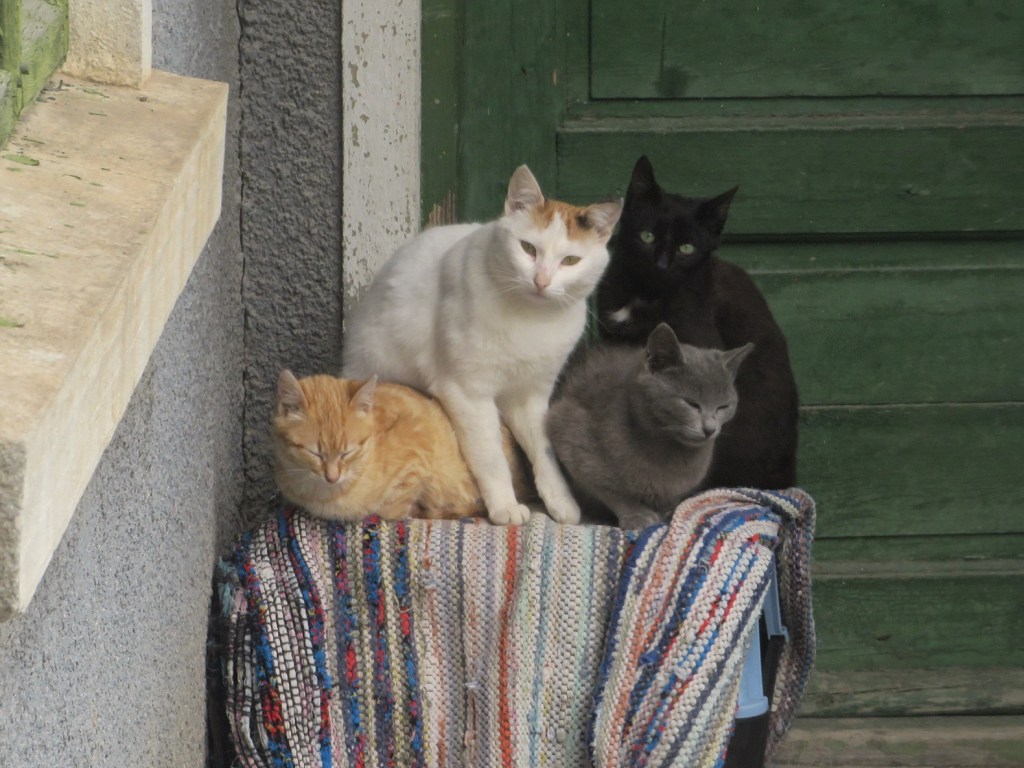
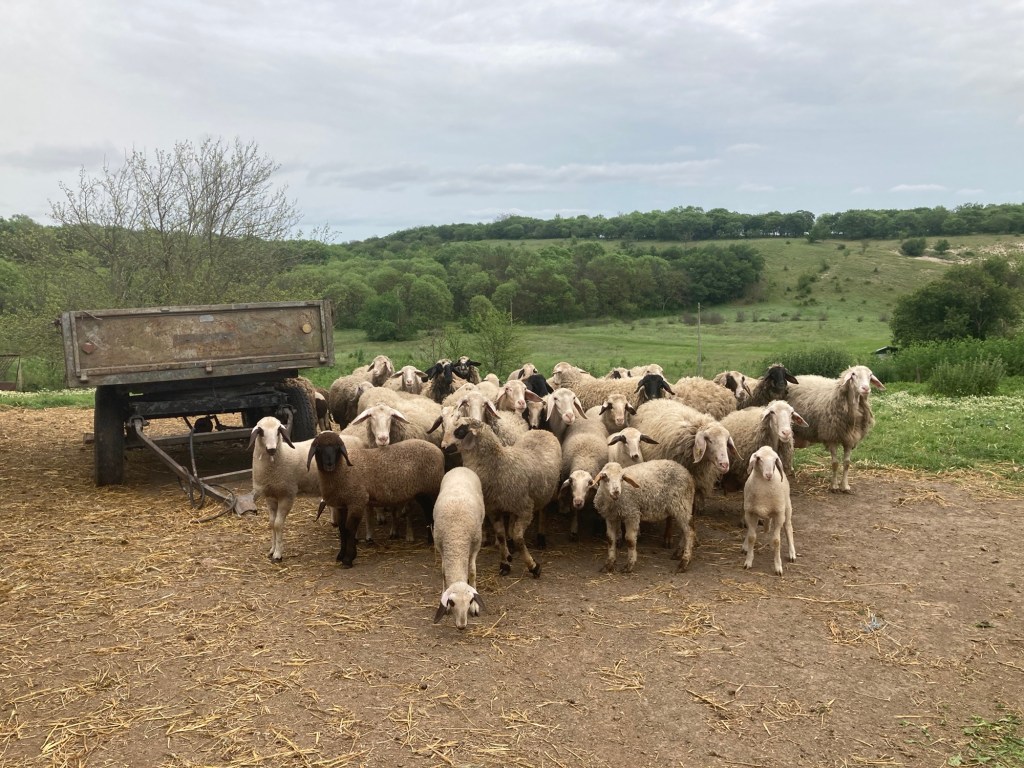
Our village is deserted and peaceful for nine months of the year. The official population is 24, although I’ve only ever seen about a third of them. Maybe they counted the chickens and sheep? They definitely didn’t count the cats because there are literally hundreds of those.
Many of the old abandoned houses are being bought up and turned into holiday homes by city folk, mostly from Sofia. The population explodes in June, July, and August when all the ‘summer people’ arrive at their beach houses, briefly disrupting the peace and quiet.
Where the village now stands has been settled since Thracian times, before the Romans. At one stage, it was actually part of Romania. It’s officially identified as a ‘Gagauz’ village, a fascinating ethnic group I’d never heard of.
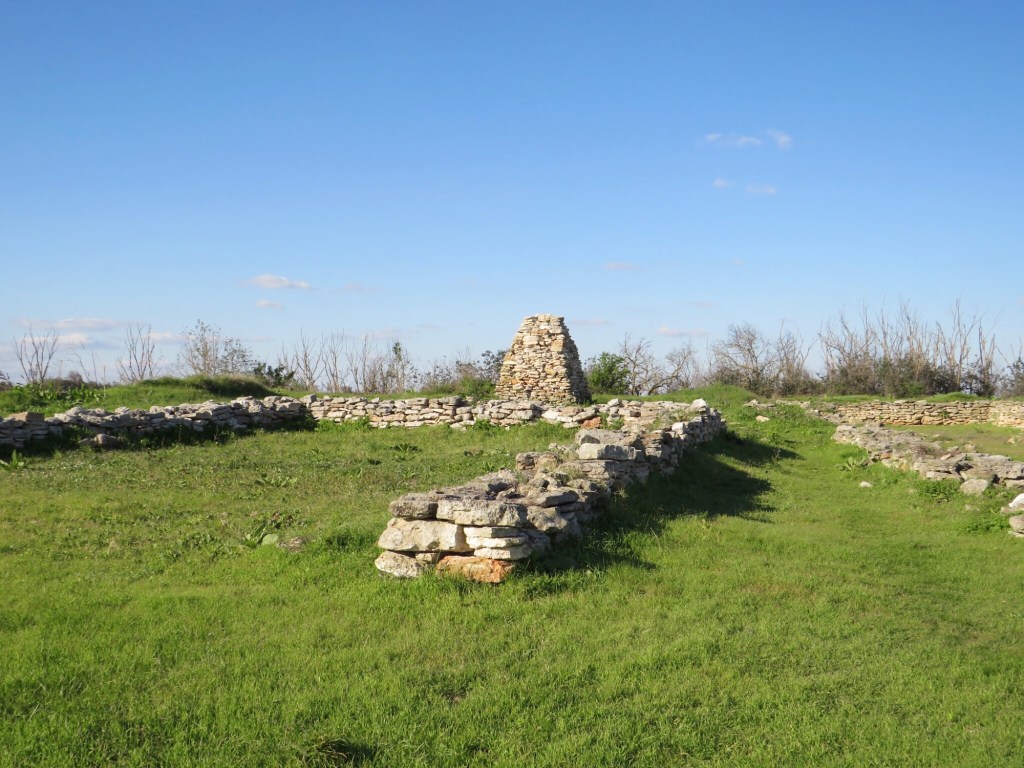
Just a few minutes up the road, near Durankulak on the current Romanian border, is an 8000-year-old archaeological site that was inhabited by the prehistoric Hamangia people. It’s also believed to be the site of the first stone buildings in Europe.
We’ve been back in Bulgaria for almost two years. It’s the longest we’ve ever stayed. This time, it feels like we do actually live here. A lot has changed since we first came here around 6 years ago. It’s more modern and more affluent, but still looks and feels very Soviet. It’s much easier now that we understand how some things work. Each time, we add to our body of knowledge: where to buy things, who to ask, how to get things done. My Bulgarian language is improving, but it’s still got a long way to go. Thank goodness for Google Translate.
Prices have risen significantly, although some things are still incredibly cheap. Bulgaria has just transitioned to the Euro. Life is better for many people, but not for everyone. The gap between the rich and the poor feels wider, especially for older people. Bulgaria has also joined the Schengen zone, which means there’s now no border between us and the rest of Europe.
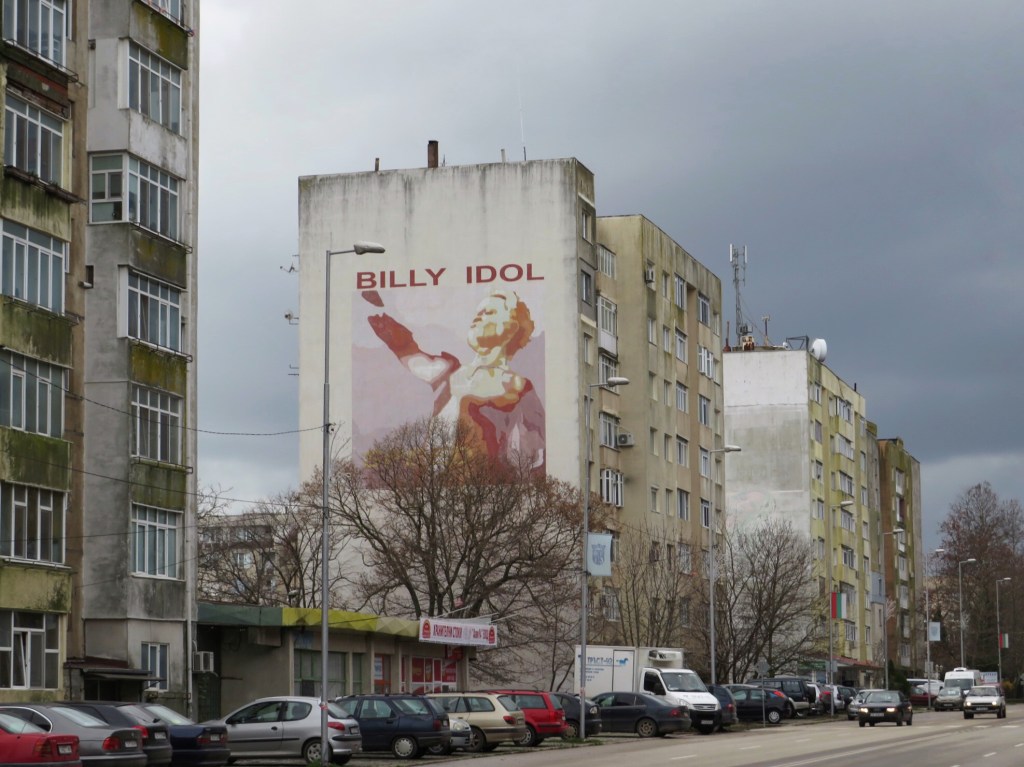
When we got here, I still didn’t have a visa, and it was back to jumping through bureaucratic hoops. This time I got an immigration lawyer, but all my documents had expired, so I had to start again. Every document needed to be apostilled, translated, and notarised. Notaries here are like glorified JPs with fancy offices, and the answer at their window is always “no”. Each office is guarded by a pair of pit bulls, fierce, bad-tempered women who’d bite your head off as soon as look at you.
Once again, my 90 days were almost up, and I planned to seek sanctuary in the UK. My bag was packed, and I’d already checked in for my London flight when, at the last minute, the lawyer got me a miracle 90-day extension. In my mind, I was already in England, drinking pints and eating a Gregg’s pie, so I went anyway. JH stayed behind to work on the house. It was a great trip catching up with old friends around London, the Forest of Dean, Wales, and up to Lancashire.
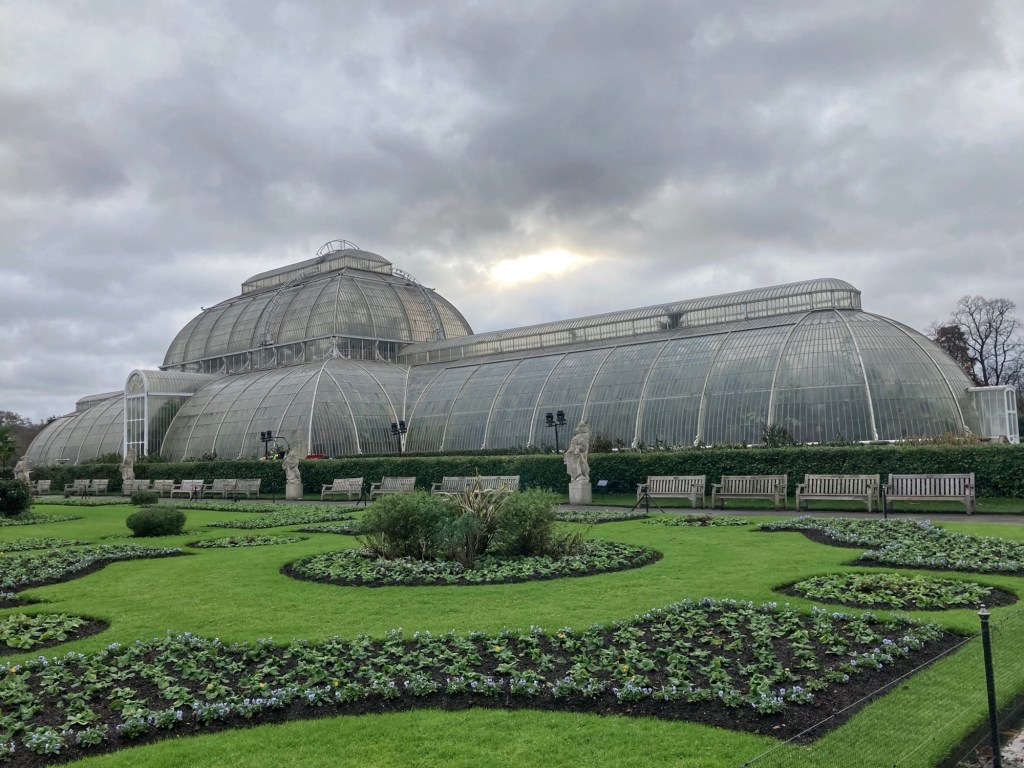
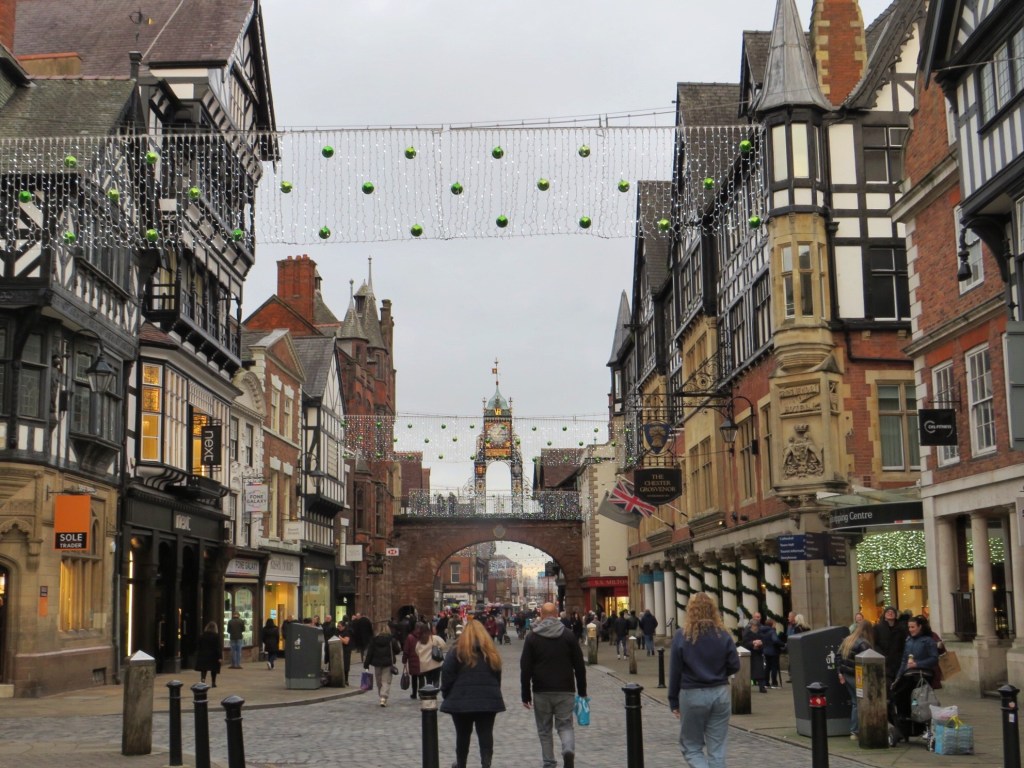
Damn, it was cold though. I’d forgotten how cold and grey it can be in the UK in winter, especially on train platforms. I ended up with a nasty flu and ran away back to sunny Bulgaria, where it was blue skies and sunshine all the way through to mid-January. Then the big freeze arrived, and we went to bed and pretty much stayed there until spring.
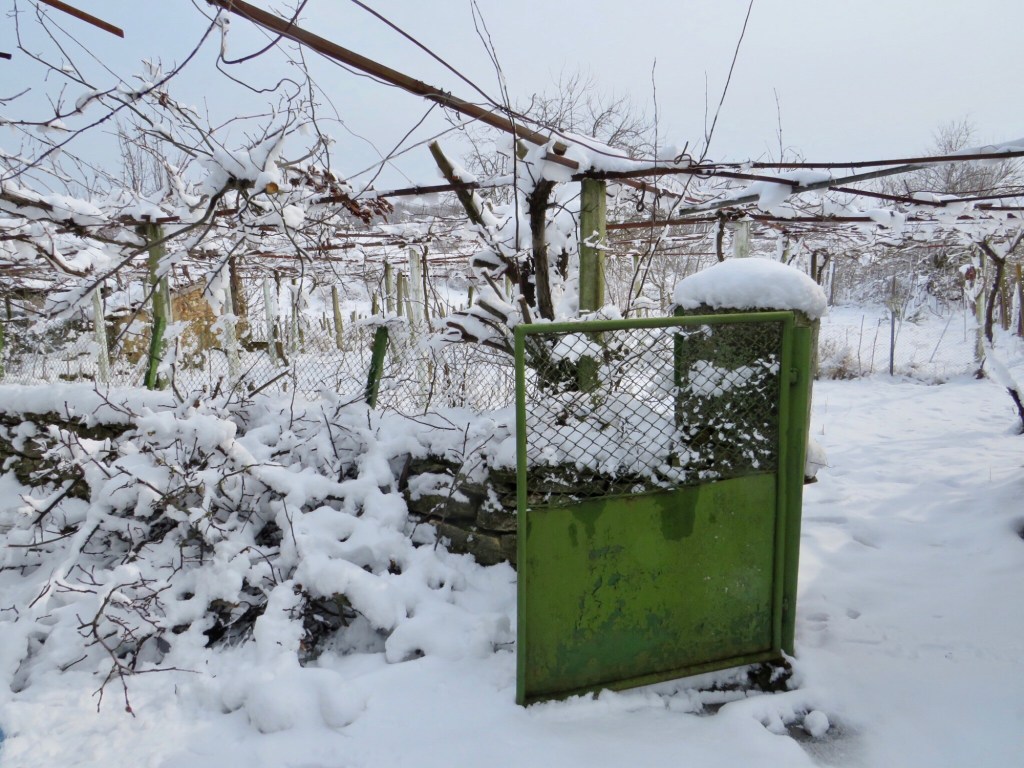
Everyone says February is the worst month in Bulgaria. Outside, it was ice with a freezing wind sweeping down from the Siberian steppes. That first winter, we thought we’d get by with two small electric heaters and a portable gas heater. Then the gas heater stopped working, the car broke down, and we were stuck in the middle of nowhere, living on bean stew. Then, we ran out of drinking water. We had to put bottles out to collect water from the snow. It was like an episode of ‘Survivor!’ Sometimes, this adventuring business feels like an extreme sport. Last winter, the wood fire was in and hooked up to central heating. It’s a totally different winter experience when you’re warm and cosy.
Finally, the immigration lawyer convinced the bureaucrats that I should have had Bulgarian residency from the start under EU rules, since JH was European before Brexit when he got his residency. Now I can stay (hooray!), but it’s entirely dependent on JH. If he gets abducted by aliens or something similarly inconvenient, I have to leave.
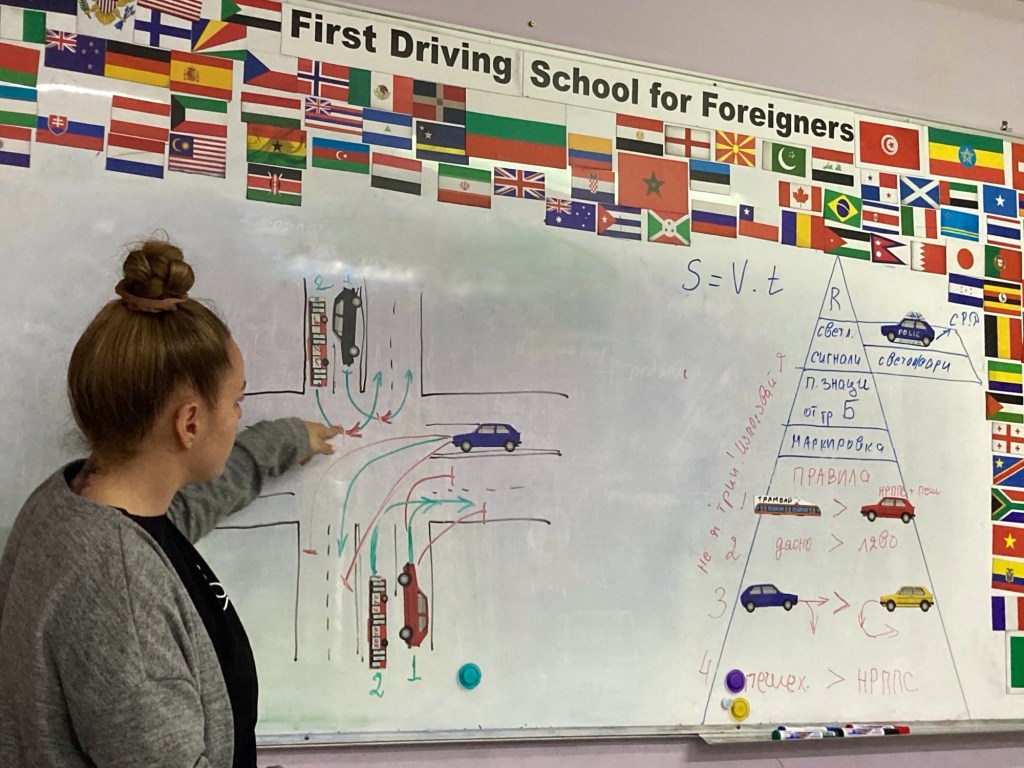
Next, my Australian driving licence expired. I couldn’t renew it from overseas (long story), and Bulgaria wouldn’t trade it in. I had to apply for a whole new licence. I got my licence in a country village in Australia 45 years ago. There was no theory test. You just drove around the block and did a hill start. I failed that three times in my father’s tiny Suzuki and then spent the next four decades winging it, blissfully unaware of what road signs actually meant.
We spent a month in Sofia, where I could get some driving lessons in English because the handbook is only in Bulgarian. The theory test covers everything from mopeds and horse-drawn carts to freight trucks. I had to memorise hundreds of new signs, pass a practical test in city traffic on the wrong side of the road with trams, trolley buses, trains and traffic controllers, and complete a First Aid course taught entirely in Bulgarian. I still can’t believe I actually passed it.
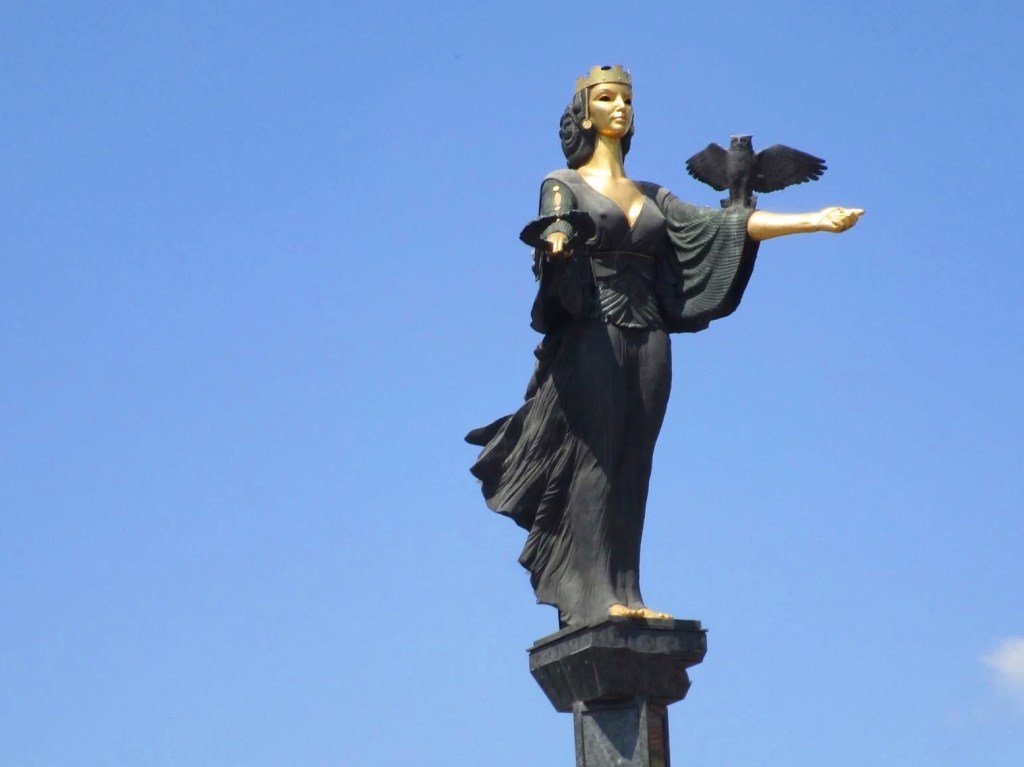
It was fun to spend some time getting to know Sofia, Bulgaria’s unpretentious capital city. It’s rough around the edges and covered in graffiti, with diverse music, cool cafes, beautiful old churches, and quirky little bars. Bulgarians love to party!
Sofia’s been around a long time, in one form or another. From a Neolithic village, it was settled by Thracian and Celtic tribes, then grew into the city of Serdica, which was captured by the Romans 2000 years ago. Only 20 years ago, the ruins of buildings, city streets, and the 20,000-seat Amphitheatre of Serdica were discovered under the city centre. A stone tablet was found advertising fights between gladiators and wild animals, including crocodiles, bears, bulls, and wildcats. The site is excavated, and you can look (and walk) down into the Roman level as you walk around the city.
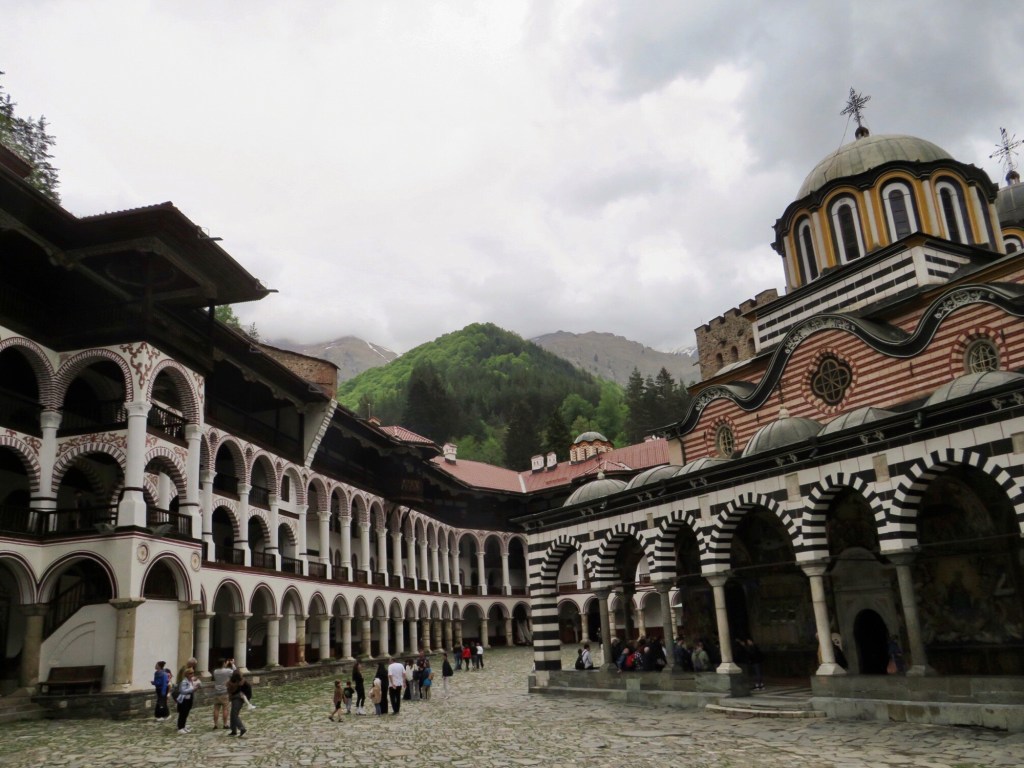
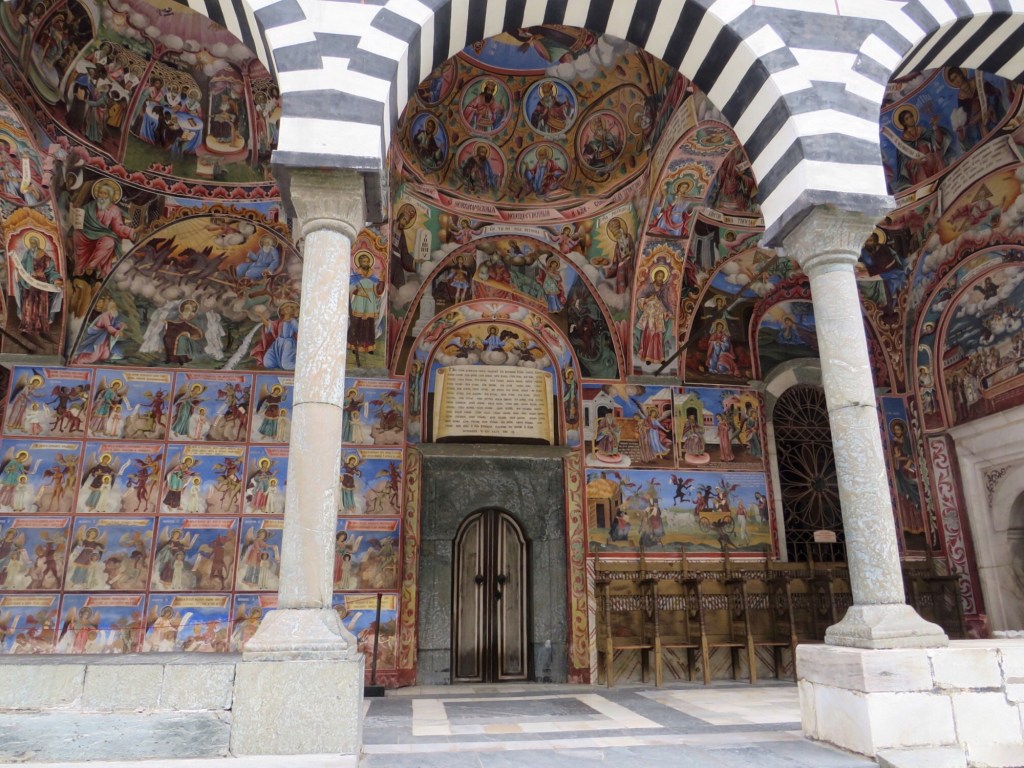
On the way home from Sofia, we took a road trip through southern Bulgaria. We visited the incredible Rila Monastery, a thousand-year-old UNESCO World Heritage site deep in the forested mountains. One of the joys of Bulgaria is the absence of crowds. Exploring somewhere this special without hordes of tourists makes it feel even more so.
Staying in the mountains around Dobrinishte and Bansko, and driving through the Rila, Rhodope, and Pirin mountain ranges felt like a different country. Bulgaria has a lot of mountains, which I tend to forget, living in the flatlands. Like mountains everywhere, they are beautiful.
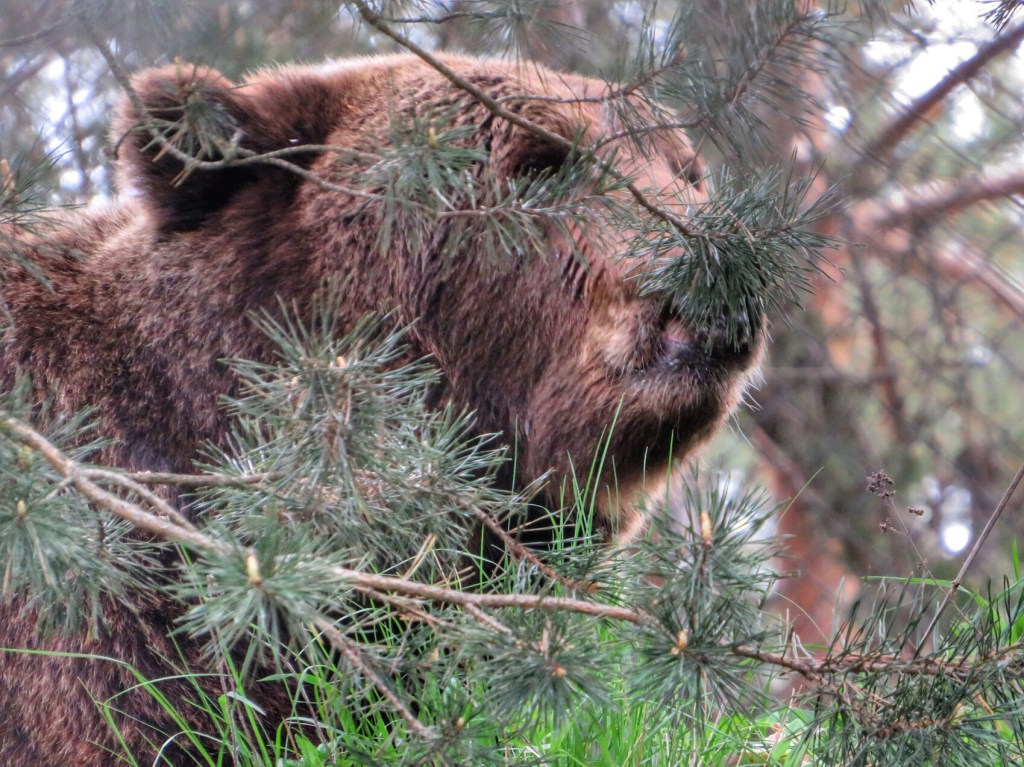
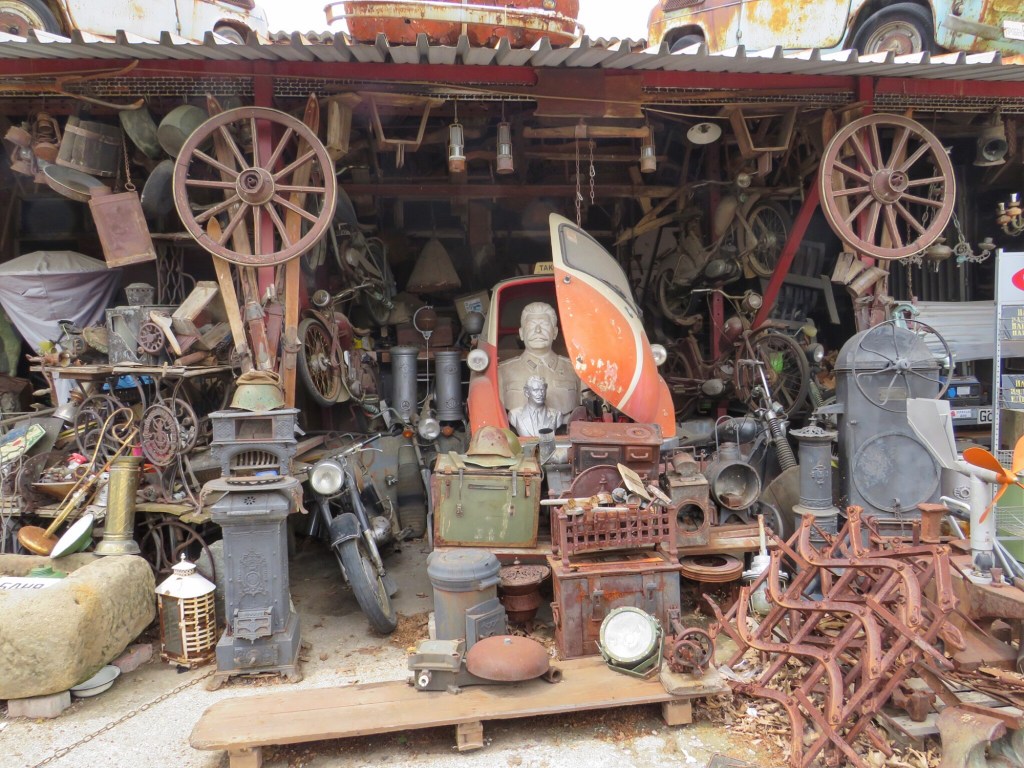
Along the way, we stopped at the Belitsa Bear Sanctuary, originally for rescued dancing bears, and the weird and wonderful Soviet Junk Museum in Kocherinovo.
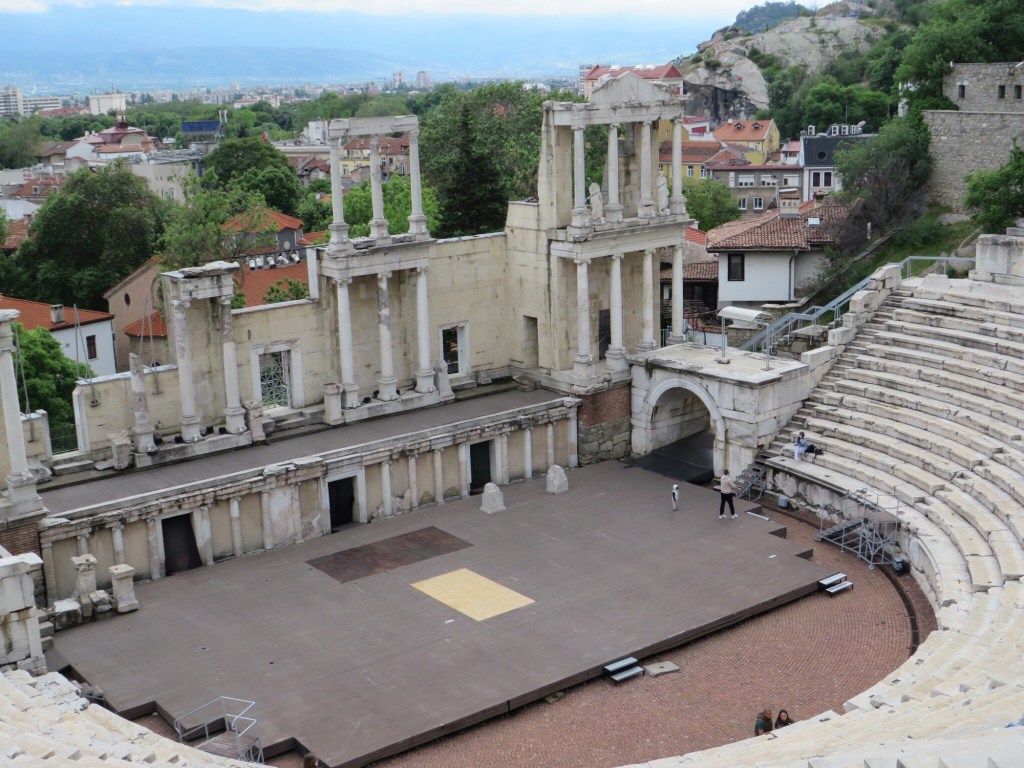
We finished our road trip in Plovdiv, one of the oldest cities in Europe. The Roman ruins are spectacular and are everywhere you look. Plovdiv is one of those special cities that has both an old soul and a vibrant living energy. It has layers of history, amazing architecture, music in the streets, and excellent vegan restaurants. I loved it.
Apart from the multitude of stray cats, we’ve also collected three dogs. The first one sat outside our gate for days and eventually we had to feed her. We tried everything to find her a home, but she’s still here. We call her Kuche, which is just Bulgarian for dog. So, really, we just call her ‘dog’. If we’d realised she was staying, we would’ve given her a proper name. Too late now; she knows her name, and she’s got an EU pet passport. She’s such a gentle sweetheart.
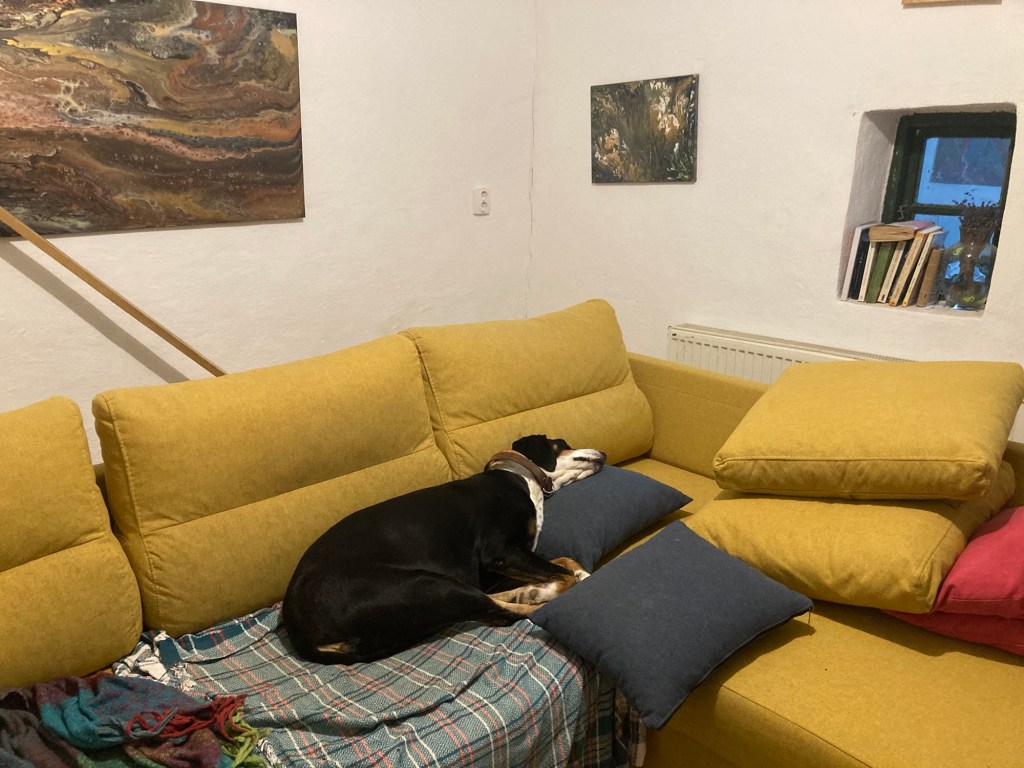
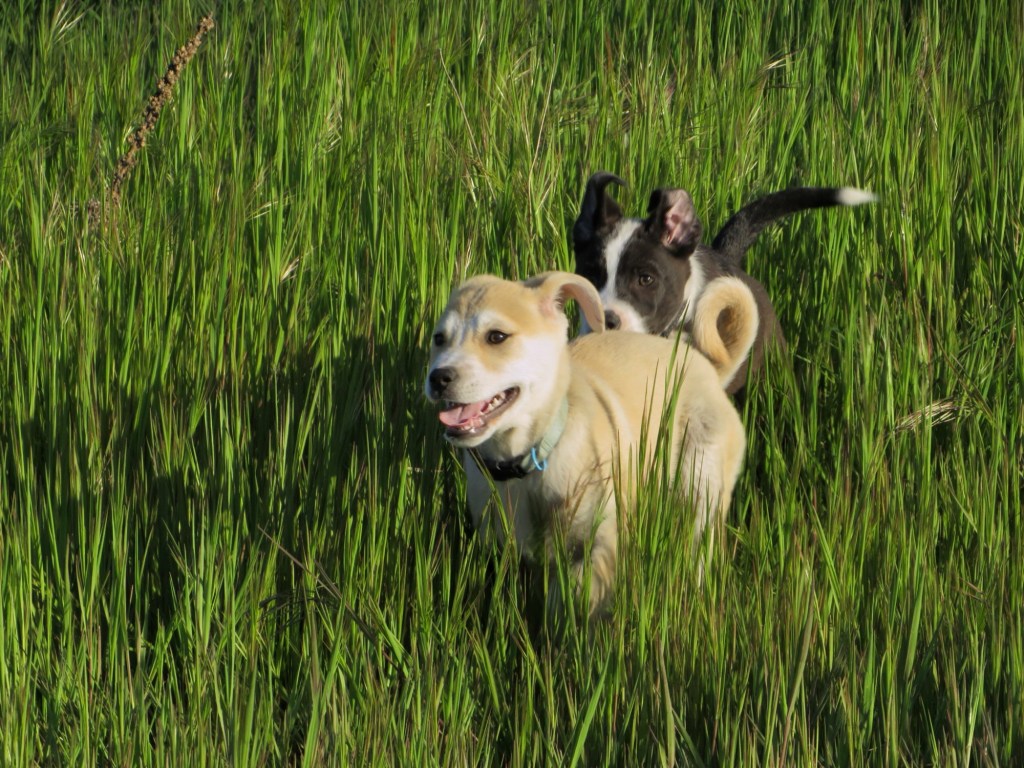
Then, we found two pups abandoned on the side of the road. There were actually five, but two ran away, and some German people stopped and took one. JH went back every day for ages looking for the other two, but they’ve disappeared. So, we have two puppies that we also can’t find a home for. They’re called Eddie and Vado, and they are adorable little nightmares. I have no idea what we can do with all these dogs when we have to go back to Australia for a while. But of course, we love them all to bits, and that’s a problem for another day.
JH has done so much work on the house. It’s come a long way from dirt floors. No room is completely finished but most of them are almost there. We’ve gone from camping to comfortable. I’ve always been firmly in the anti-white-wall camp but now I’m all about painting everything white. Anything can happen.
I’ve been working a lot and JH has been doing everything else. He’s done heaps in the garden, building raised garden beds and a hothouse, repairing the sheds and stone walls, and making cat shelters.
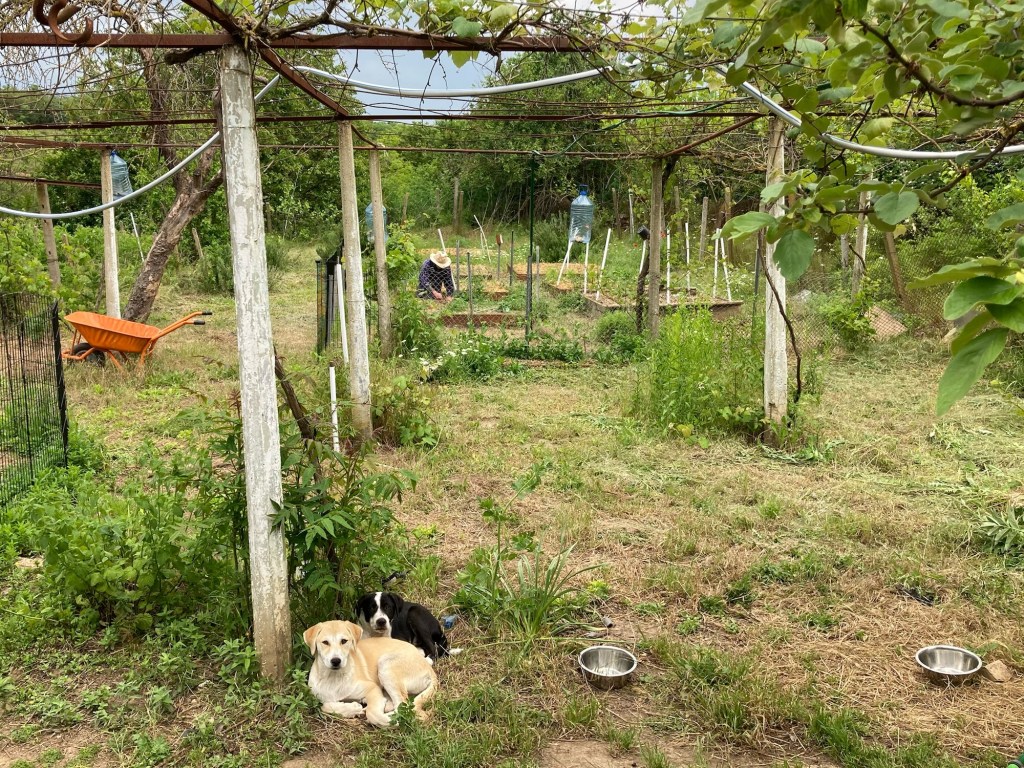
Bulgaria has very distinct seasons. In winter, you freeze your arse off; in summer, you sizzle up like a spicy pappadam; in autumn, the leaves and the light turn golden; and in spring, the garden bursts into life, and flowers pop up everywhere. Each season has its own beauty. Except for the freezing bit in winter, we always have plenty of vegetables growing. Of all the fruit trees we’ve planted over the years, not that many have survived – a couple of pears and a mulberry, plus the trees that were already here. There’s always loads of grapes. This time, we’ve planted lots of different berries, some figs, and pomegranates.
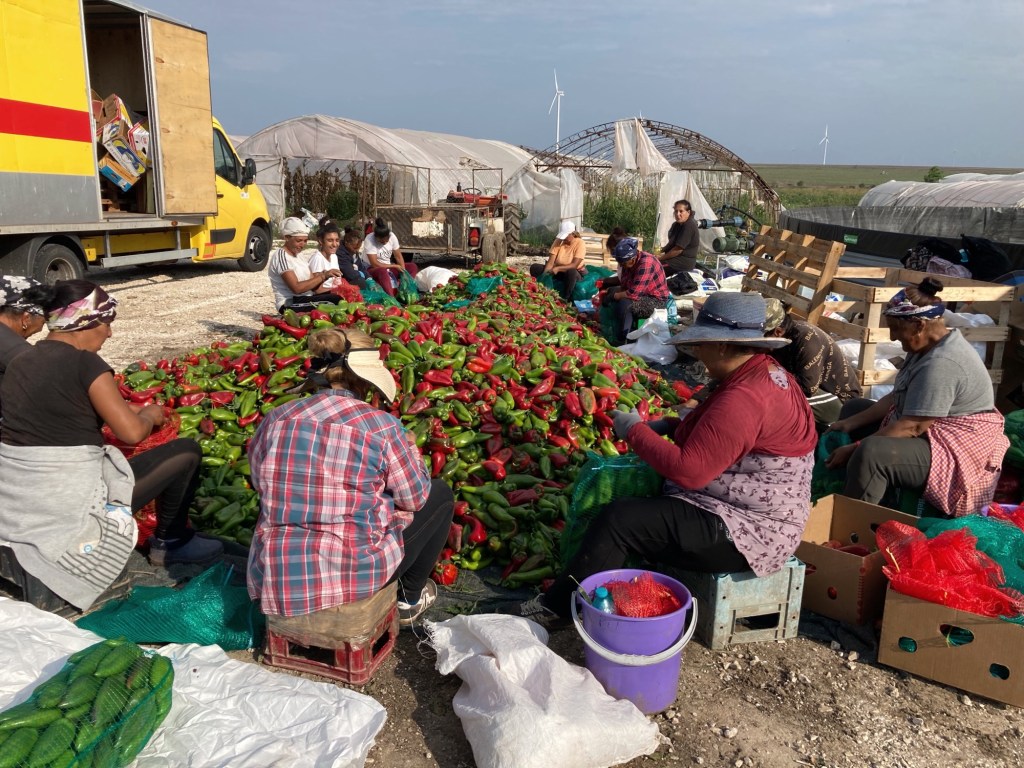
Now, it’s the beginning of summer. Despite the extra people, summer is great here when all the stalls, cafes, and restaurants open up by the sea. It’s a time of abundance. People are out working in the fields and the roadsides are piled high with fruit and vegetables.
Meanwhile, the days fly by. That’s the problem with staying still. Responsibilities start clinging to you like barnacles, the days blend into one, and time catches up. Routine is the enemy. I think life’s big game is trying to outrun time. You can’t win, but it’s still fun to play.


Thanks for another informative, entertaining post! I’m glad all is well in your neck of the woods.🥰
LikeLiked by 1 person
Thanks Susie 🙂. I hope all’s well with you too x
LikeLike
Thank you, Jeanne 🙂 This was a great read over my morning coffee today! We had a similar experience with cats last year on the island of Greece (Kythera and Lesvos). There were so many cats, and the towns folk made sure they were fed and looked after daily. We asked why and the response was “Seen any rats or mice?” The cats make sure there are no rodents and get treated like royalty 🙂 Such a difference to the approach here in Australia. 
It sounds like you are enjoying life and making the most of your time there – even though you spend a lot of time working. This is the second year in a row that John and I have had a holiday. We recently got back from a short trip to Tassie, was only 8 days, but we made the most of it, exploring Hobart and taking in the sights and even going to the ballet (Aladdin) while we were there. I think we are learning that life was meant to be enjoyed and not just survived 🙂 The Europe trip last year was 5 and a half weeks which was awesome. I think our next adventure will be New Zealand but it will depend on how building the new home goes over the next twelve months as to when we go. Not sure I will ever get John to go back to Europe. I can’t believe that when I was in Mytilini I was only a short 12-hour drive away from you!
Anyway, that is all the happy news for now, thanks for all that you do, both workwise and letting us visit places vicariously through your blog 🙂
best regards
Sandi
>
LikeLike
Hi Sandi! Thanks for enjoying my blog. I agree that the European attitude to strays is indeed very different. What a shame you didn’t nip over the border to visit us when you were so close last year 🙂
LikeLike
Thanks Jeanne! Bob and I love your blog and learning about Bulgaria ❤️. And so now you’re a crazy cat lady, dog parent and teenage Georgette Heyer fan 😆. My grandmother had all of her books which I too loved to read! Bob and I are well, both retired with furbabies (3 cats, 1 dog) and still loving Orange despite its winter which thankfully is nothing like your winter 😳. Keep writing Jeanne! You have such a talent ❤️❤️❤️
LikeLike
Thanks Liz x I loved Georgette Heyer. I thought she was hilarious. It would be great to read them again now. Being retired sounds wonderful. One day!
LikeLike
Hi Jeanie. Geez u write well I really enjoy your work. Lizzy might have told u that we are also mad cat ( and dog people) but not on yr standard. Been texting Pete re World Cup and might try to catch up with him later in yr. Let us know when u are back in Australia, love to catch up. All the best to u and Jack. Cheers Bob Rogers
Get Outlook for iOShttps://aka.ms/o0ukef ________________________________
LikeLike
Thanks Bob! I’m glad you enjoy my sporadic blog posts 🙂. I hope you do catch up with Pete. We aren’t planning on coming back to Oz for another 3 years or so but it would be great to see you then x
LikeLike