It was quite a juggling act to get all the dogs into a boarding kennel and a friend to cat-sit the village cats so that we could escape on this mini-adventure around ‘the Baltics’ (Latvia, Lithuania and Estonia). We started in Estonia, which is as neat as a pin and squeaky clean, as if it’s been scrubbed with a toothbrush and then freshly painted. It’s quiet, peaceful and efficient, with not a hair out of place. There’s no mess, no graffiti, no litter, no noise, and no visible poverty or social issues.
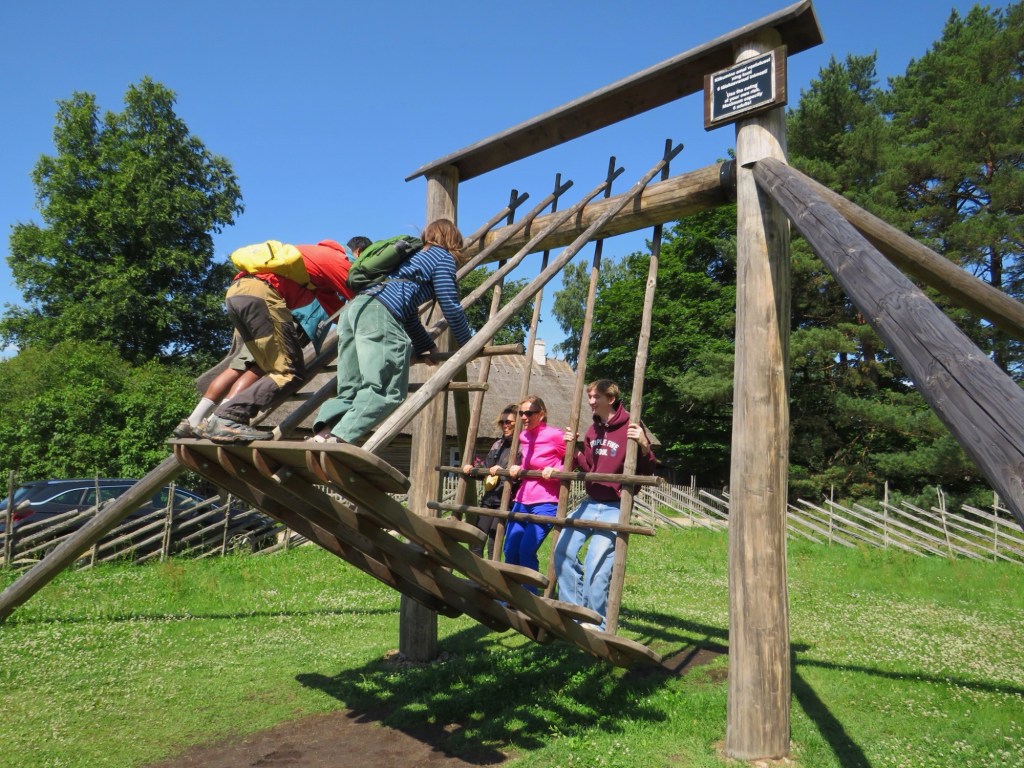
Estonians themselves are also quiet and reserved, although they do have a few eccentric national pastimes. Saunas are number one. They share their love of sitting in hot, sweaty, steamy boxes with their close neighbour, Finland. Other favourites are group singing and swinging. Not the ‘having sex with your neighbours’ type of swinging, but actually swinging on big wooden swings. The tradition of communal village swings has in recent times given rise to the extreme sport of kiiking (360-degree swinging).
Estonia is one of the least densely populated countries in Europe, and around 50% of the country is covered by forest. Estonians are deeply connected to nature, and it’s woven into their identity and folklore. They often describe themselves as metsarahvas (forest people).
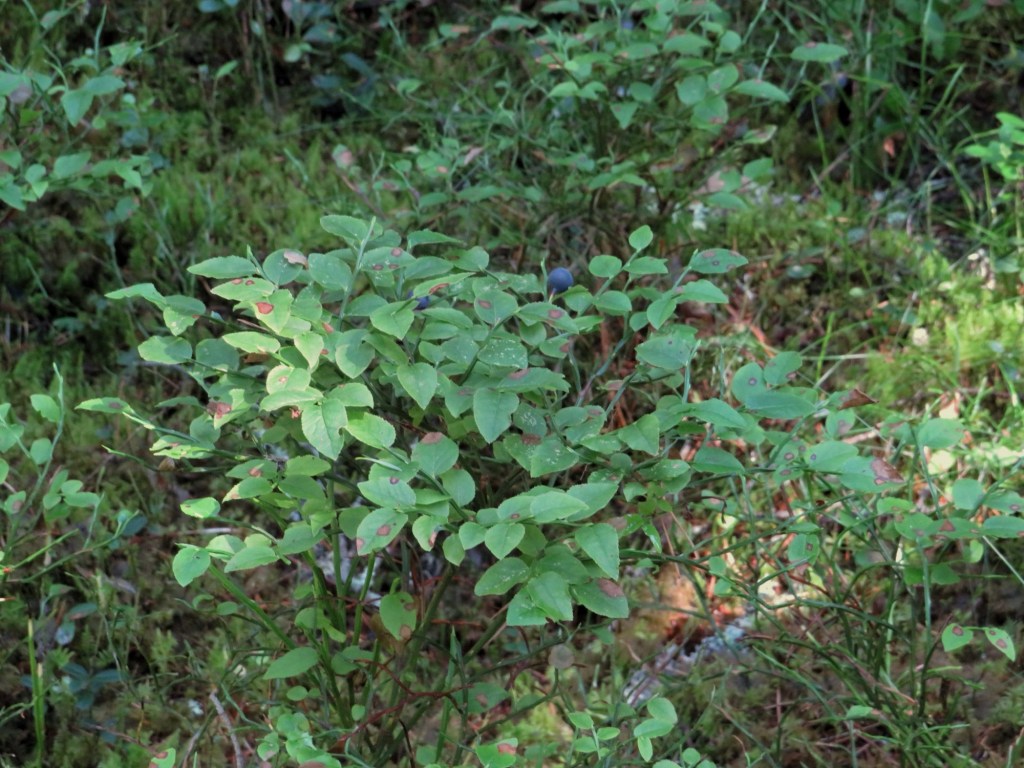
It’s common to see people sitting quietly in nature, hiking, communing with trees, and foraging for wild food. They’ve lived on this land for 11,000 years (since the end of the last ice age), so they know all the native plants and when to harvest them. We went foraging with a very passionate and excitable guide for wild blueberries and Chanterelle mushrooms in Lahemaa National Park. The amount of food in the forest is quite astounding when you know where to look.
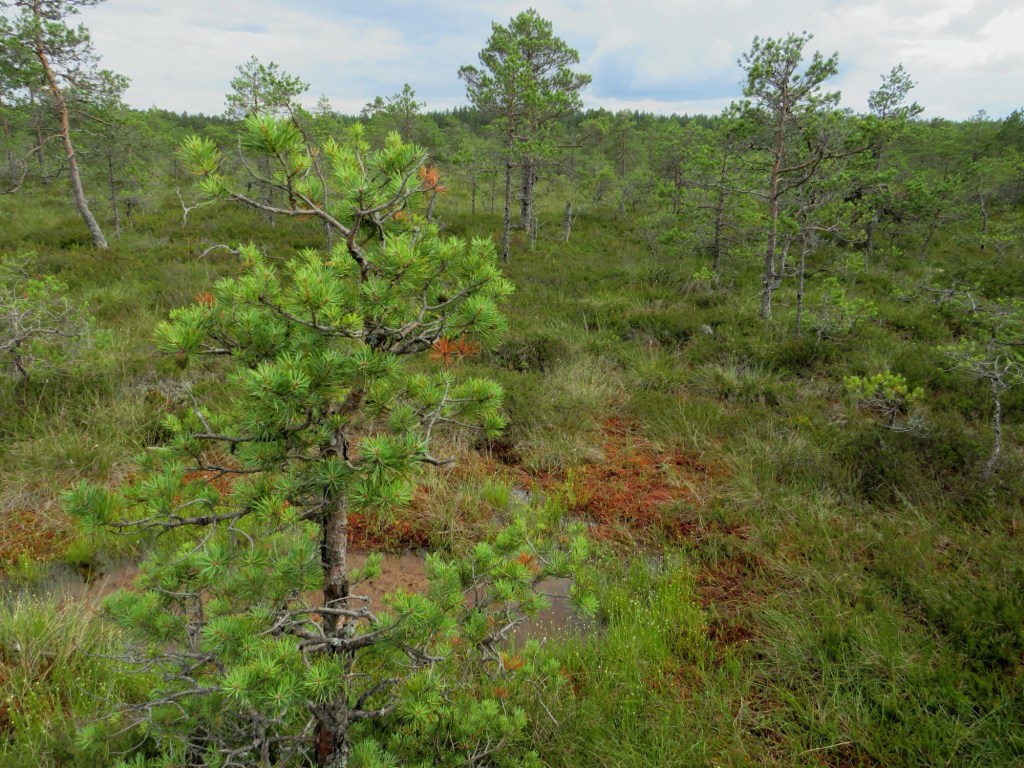
Another 20% of Estonia consists of wetlands, including thousands of ancient peat bogs. We also went on a hike through the Viru Bog in Lahemaa. I was amazed at how bouncy and spongy they are. Our guide was bouncing around like an excitable bog-sprite, pointing out all the tiny little plants, even carnivorous ones. It was impossible not to get excited too. I now know loads about peat bogs.
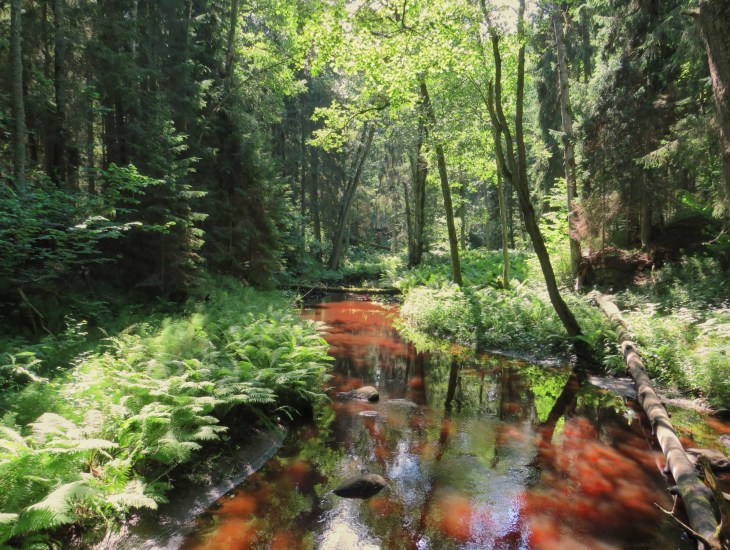
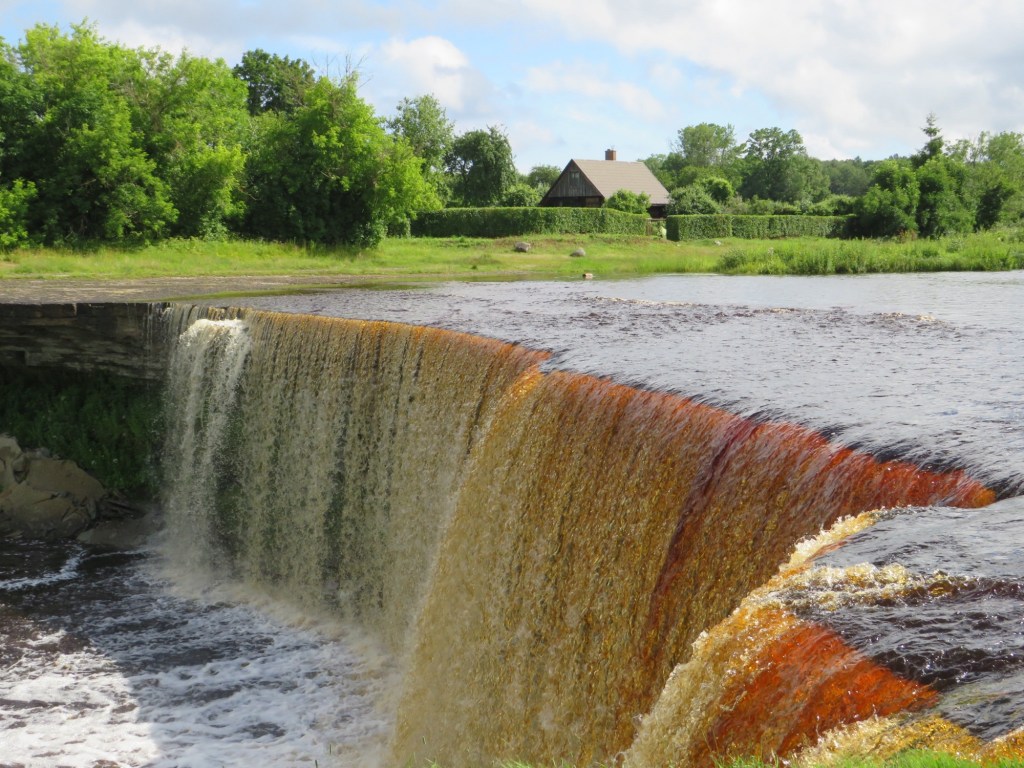
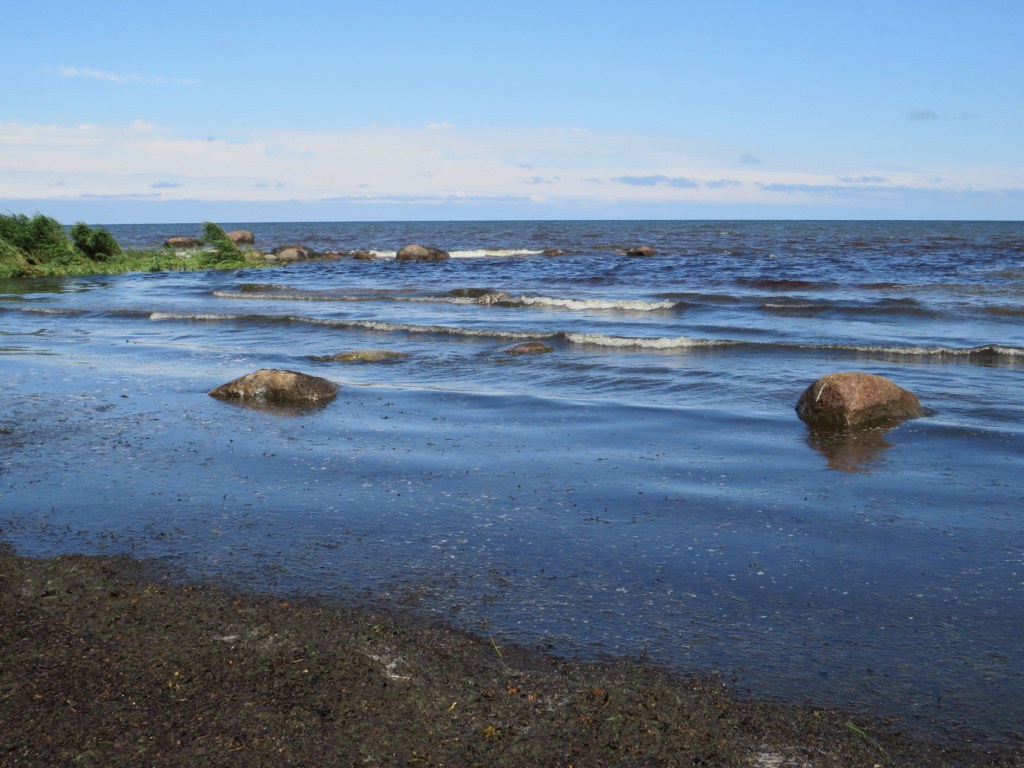
The landscape at this time of year is an intense green. This contrasts beautifully with the amber colour of the water, which comes from the natural tannins released as it flows through the ancient peat bogs and forests. Even the sea is tinged with the colour of tea.
Estonians were minding their own business for thousands of years until the Northern Crusades brought Christianity to Estonia by force in the 13th century. First, they were occupied by the Danish Crusaders for over 100 years and then the German Crusader Knights of the Livonian Order for another 300 years or so. Their peaceful, nature-based paganism was replaced by a two-tier society, with the Germans as the rich nobles and the Estonians as the serfs.
It was during this period that the capital, Tallinn, became an important trading centre in the Hanseatic League. The UNESCO World Heritage Old Town was built in the German style with this trade wealth. It’s regarded as one of the best-preserved medieval cities in Europe.
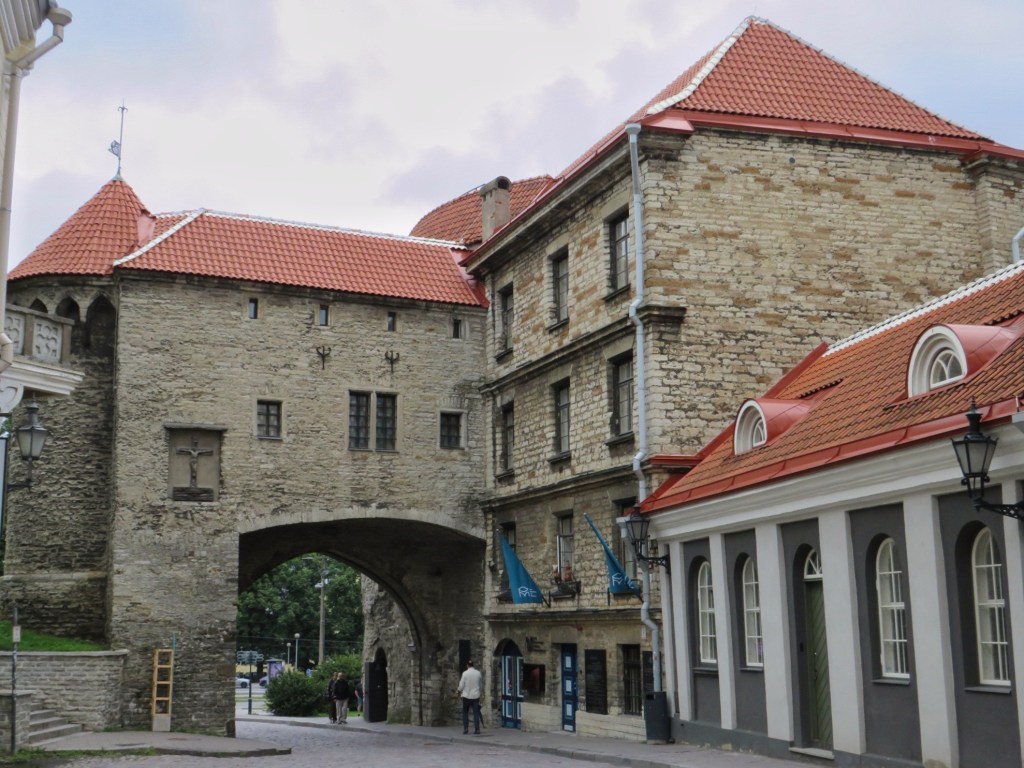
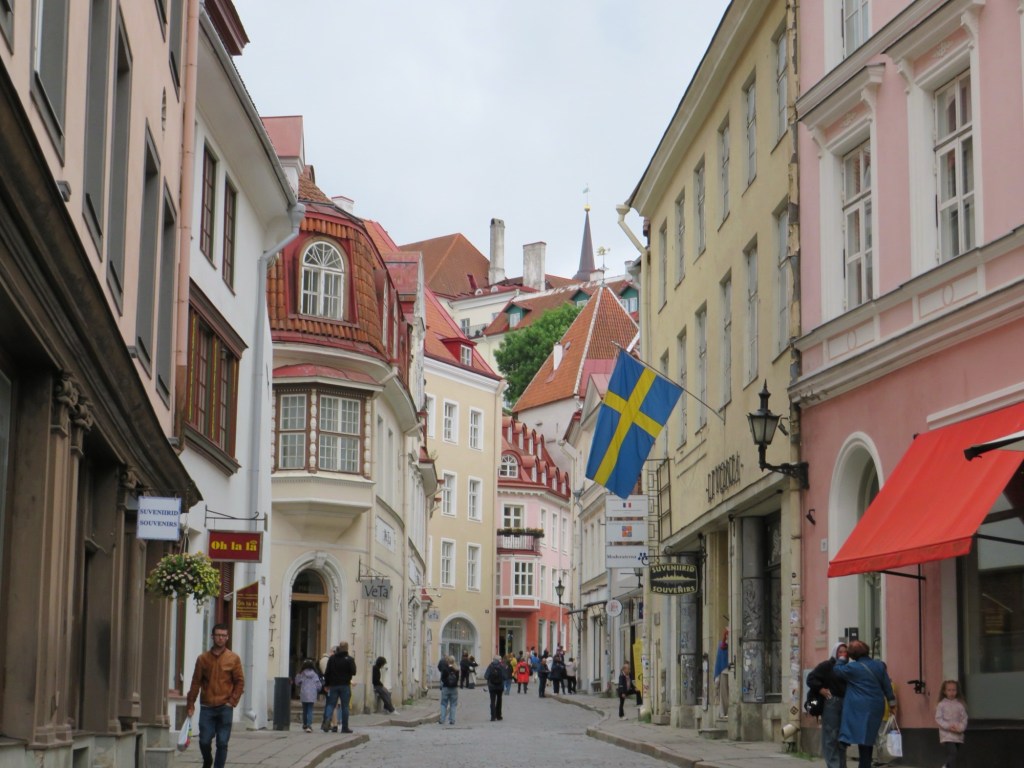
Tallinn’s Old Town is more of an immersive experience than a collection of grand sights. The buildings are small, but everything is in character. You actually feel as if you’re in a beautiful storybook medieval town. Which you are. The big cruise ships stop here, so it is very touristy, but it’s well done. Like everywhere in Estonia, it’s subtle and understated. There’s nothing garish or out of place. The shops are artisan shops selling traditional crafts in wool, timber and amber. The food is local gourmet – fresh berries, forest mushrooms, handmade chocolate and cheeses – delicious and a bit expensive.
Estonia was under foreign occupation continuously for 700 years. The Germans were replaced by the Swedes and then the Russian Empire. It was briefly independent for 22 years between the two world wars. Then, in World War 2 they were occupied by the Soviet Union, then the German Nazis, then the Soviet Union again. Estonia remained behind the Iron Curtain as part of the USSR for nearly 50 years.
As the Soviet Union began to weaken in the late 1980s, the Estonians used their long tradition of singing in the ‘Singing Revolution’. Hundreds of thousands of Estonians gathered at the Song Festival Grounds in Tallinn to sing songs of national identity and independence. This spread across Estonia and culminated in the ‘Baltic Way’ in 1989, when about two million people formed a human chain, holding hands and singing, stretching 600 km across Estonia, Latvia and Lithuania. Picturing this incredible peaceful revolution brings tears to my eyes. All three countries have been independent since 1991. It’s amazing how they’ve retained their strong cultural identity through all that time. They don’t want to be occupied again.
Estonia is culturally oriented north towards the Nordic countries, more so than south to Central Europe. When you’re in Estonia, it feels like you’re facing north too. In the past, harsh Baltic winters regularly froze the sea, creating ice roads that allowed people to travel across the ice between the 2000 islands. In especially cold years, they could occasionally even cross the 50km or so to Finland. Official ice roads still open in some winters, but warmer temperatures due to climate change mean they’re becoming less frequent, and a frozen crossing between Estonia and Finland is now extraordinarily rare.
Estonians have always had a close relationship with this sea, but during the Soviet era, the sea became a restricted border zone that was fenced off and heavily guarded by military patrols. Most Estonians were forbidden to go near it for almost 50 years. That’s a long time for a coastal people.
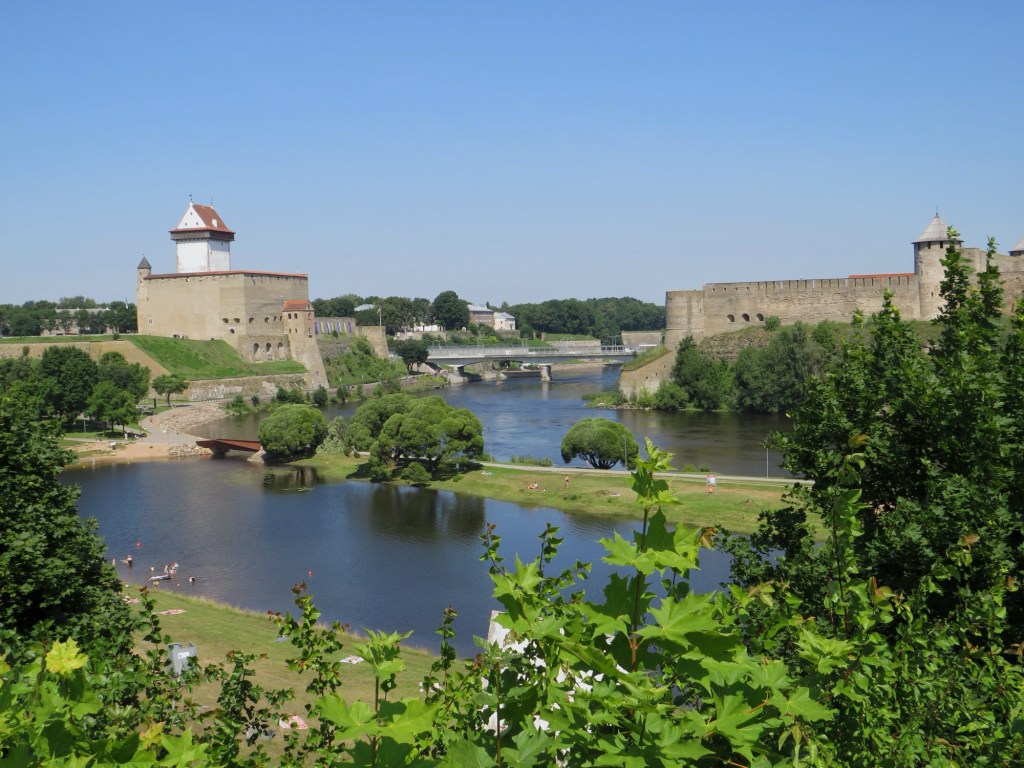
Narva is the border town between Estonia and Russia and has been for 800 years. Two medieval fortresses stand directly opposite each other across the narrow Narva River. In places, they’re only about 150 metres apart. The ‘Friendship Bridge’ joins the two and is now only open to some heavily restricted pedestrian-only crossings. It’s really quite dramatic and you can see how easy it would be to cross. History feels very real here.
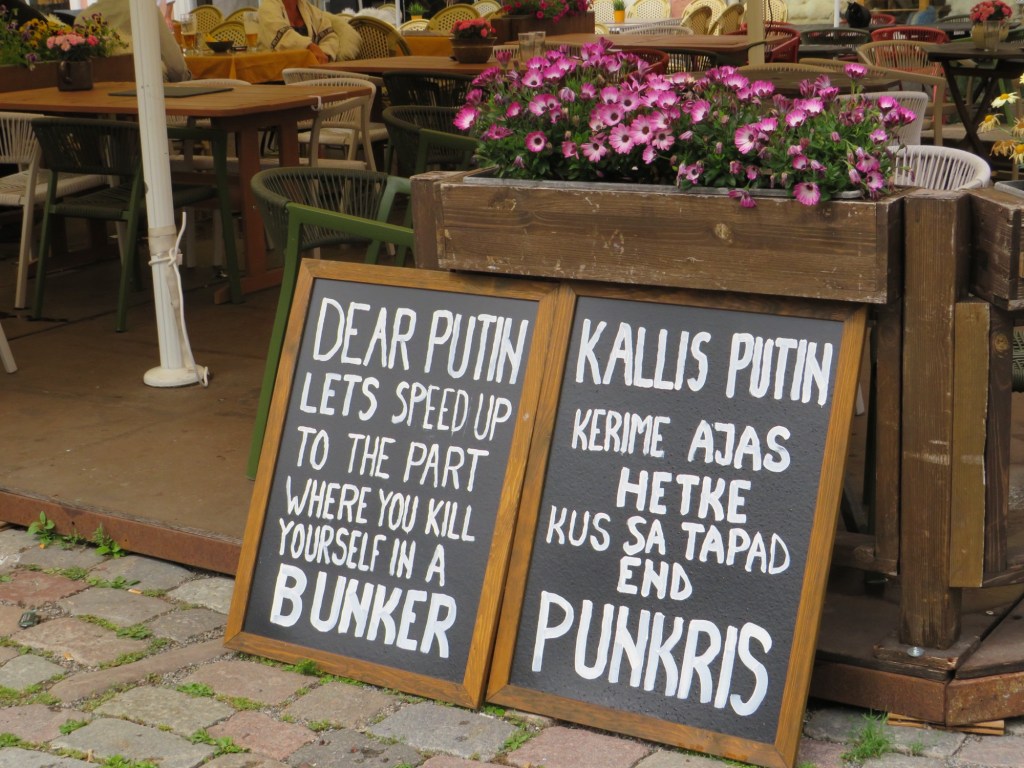
Around a quarter of Estonians speak Russian as their first language; however, only about 20% are actually ethnically Russian. Many came from other parts of the USSR in the past, such as Belarus or Ukraine and adopted Russian as the common Soviet language. Although there are varied opinions within the Russian-speaking community, almost everyone in Estonia feels very strongly about their Estonian identity and independence. Very few people want to see Putin come marching across that bridge.
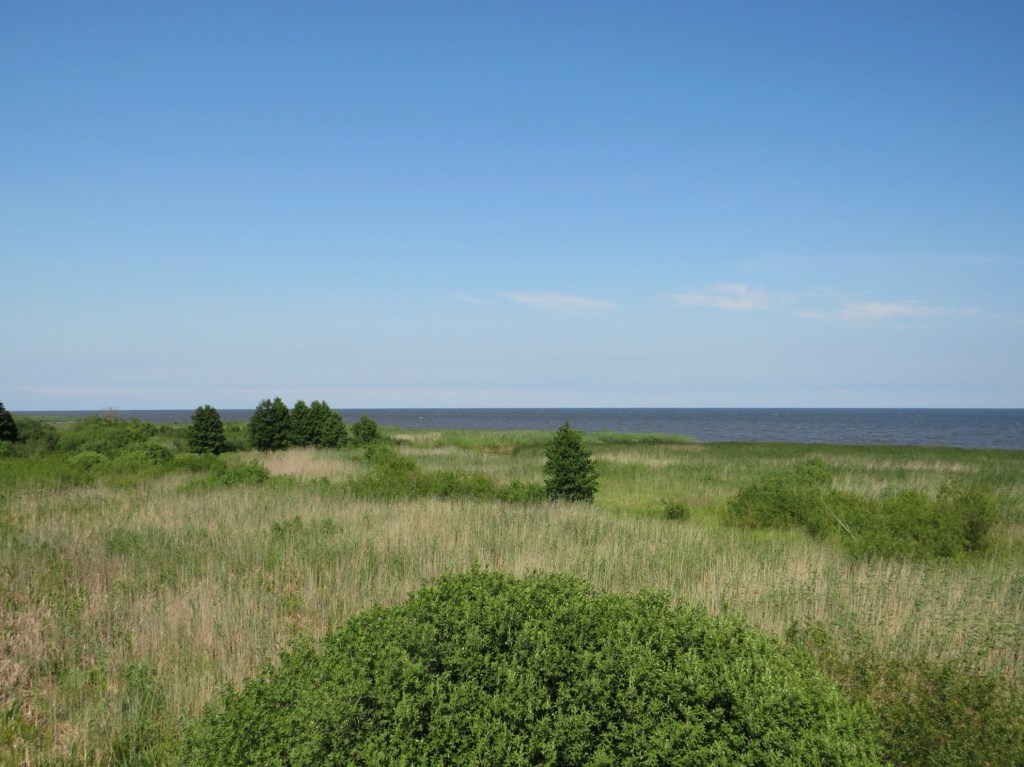
The border between Estonia and Russia continues south through the centre of the Narva River and then through Lake Peipsi. Lake Peipsi is the fifth largest lake in Europe by area but is only an average of 7 metres deep. Because it’s so shallow, it warms up in summer and freezes completely in winter. Historically, great battles have taken place on the surface of the frozen lake, according to the legends.
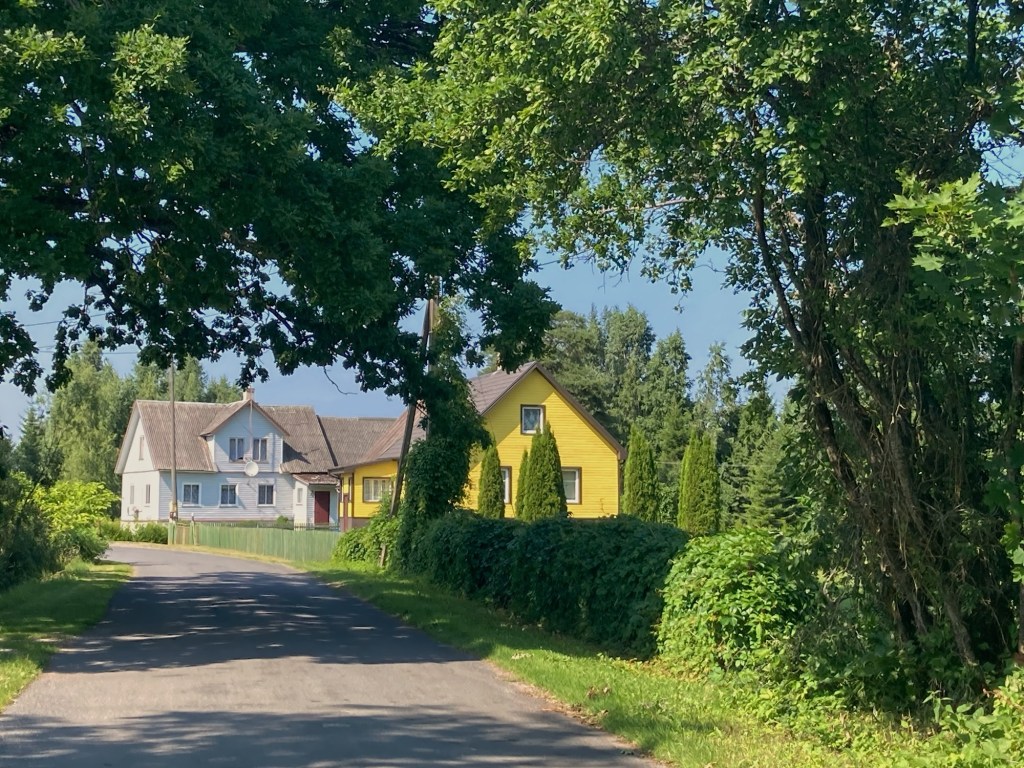
I wanted to go to Lake Peipsi because I’d read about the intriguing story of the ‘Old Believers’. Along the Western shore of the lake is a string of ‘Old Believer’ settlements, the descendants of people who escaped religious persecution in Russia in the 1600s. The Russian Orthodox Church introduced some reforms that they didn’t agree with, including making the sign of the cross with three fingers instead of two. They refused to adapt and were tortured and executed for their stubbornness. They continue to practice some of their distinct cultural traditions and to grow Peipsi Onions, which are reportedly very sweet and flavourful. We spent all day catching very slow local buses out to the lake. We found a delightful bakery and a small museum, but no onions and not much else.
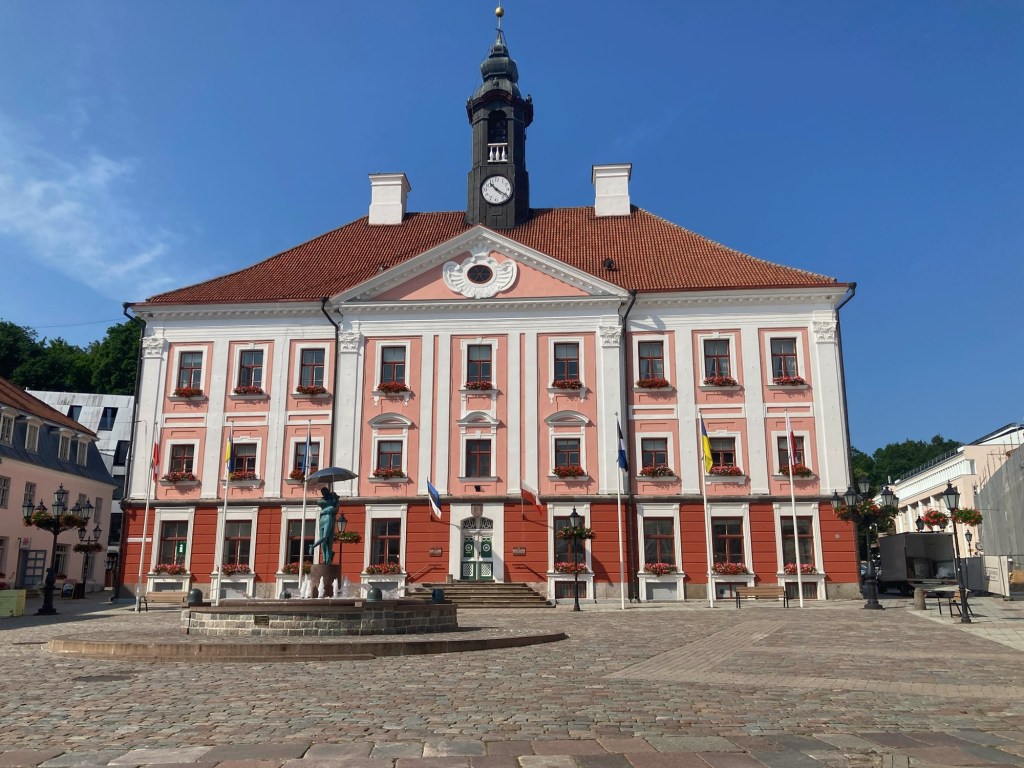
Tartu is Estonia’s second-largest city, but at 100,000 people it’s not very big. Nothing in Estonia is very big. As someone said to me, ‘We have everything in Estonia, it’s just in miniature’. The University of Tartu, founded in 1632, is one of northern Europe’s oldest universities. Therefore, Tartu has been the country’s intellectual and cultural heart for at least 400 years. It’s another very pretty storybook town full of bookshops and cafes. It’s a town I could happily live in (in the summer).
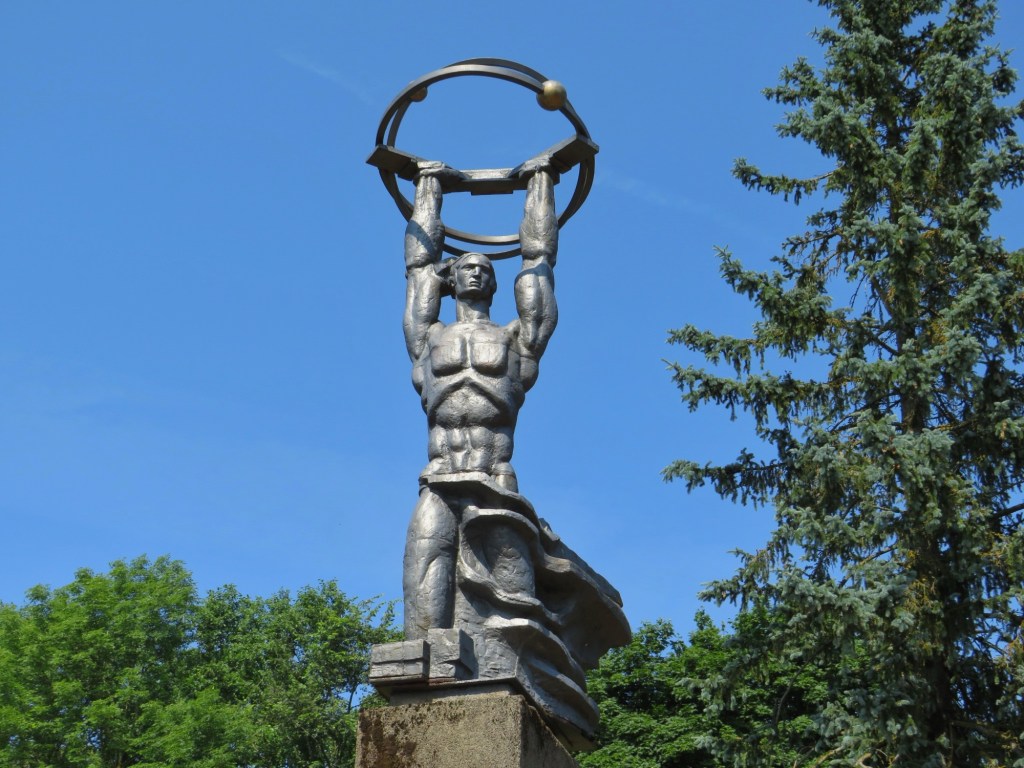
The highlight of Estonia for me is the strange town of Sillamäe. It was a small seaside resort on the north-eastern Baltic Sea until 1946, when the Soviet Union chose it as the site of a secret uranium-processing plant. Prisoners from across the USSR were forced to rebuild Sillamäe as a model industrial town with wide boulevards, grand staircases and huge Stalinist buildings. When completed, 20,000 workers were brought in from across the Soviet Union. Some were forced and others were enticed by the promise of a good life. Only Russian-speaking trade-qualified or unskilled workers were allowed.
The broad avenues, symmetrical buildings and quiet streets create the feeling of stepping into an eerily deserted, carefully planned 1950s Soviet-era town.
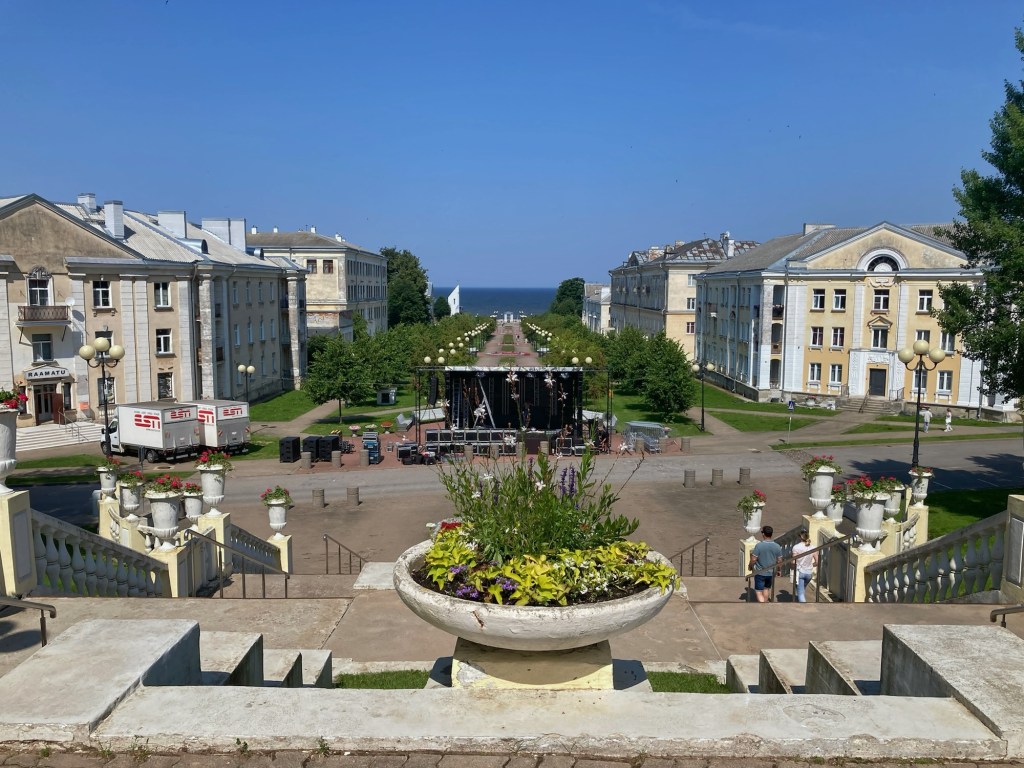
Sillamäe was a secret ‘closed city’ for 50 years. It disappeared from maps, and the town itself (plus its buildings, areas, and even the people) were all identified only by numbers. Every apartment had a wired radio system that you couldn’t turn off. It broadcast only government-authorised programming. Since access to information was severely restricted, the town could only be entered with special permission, and people were forbidden to talk about their work; they didn’t even know that they were working with dangerous uranium.
The plant was closed in 1991 when Estonia regained independence, and half the population left. One of Europe’s largest radioactive waste repositories sits just out of town. It has since been stabilised and capped and is now within the EU’s safe limits for radioactivity, but we were told that birth defect rates remain at 12%. Whether related or not, I noticed an unusual number of people with visible disabilities.
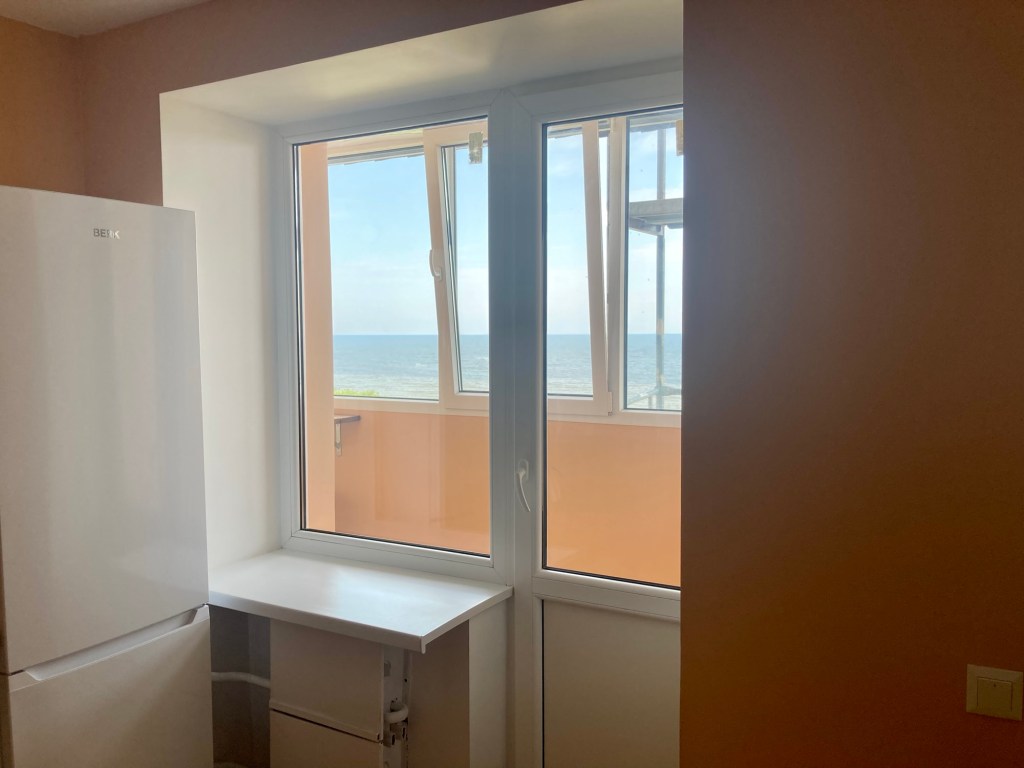
We stayed in a huge apartment in a Soviet block with views of the sea. I think we might have been the only people in the building. We spent an afternoon hearing stories about the town from the guy at a fascinating little museum down a back lane without a sign. I felt like we were wild foraging in Estonia for more than berries.
A well-known joke here is ‘Summer in Estonia is three weeks of bad skiing’, but the weather has actually been perfect for me at 15 to 25 degrees and mostly sunny with blue skies. The sun goes down around 10.30pm and rises again just after 4am. In between, it’s more like a long twilight than proper dark. It can be a bit discombobulating when you’re not used to it.
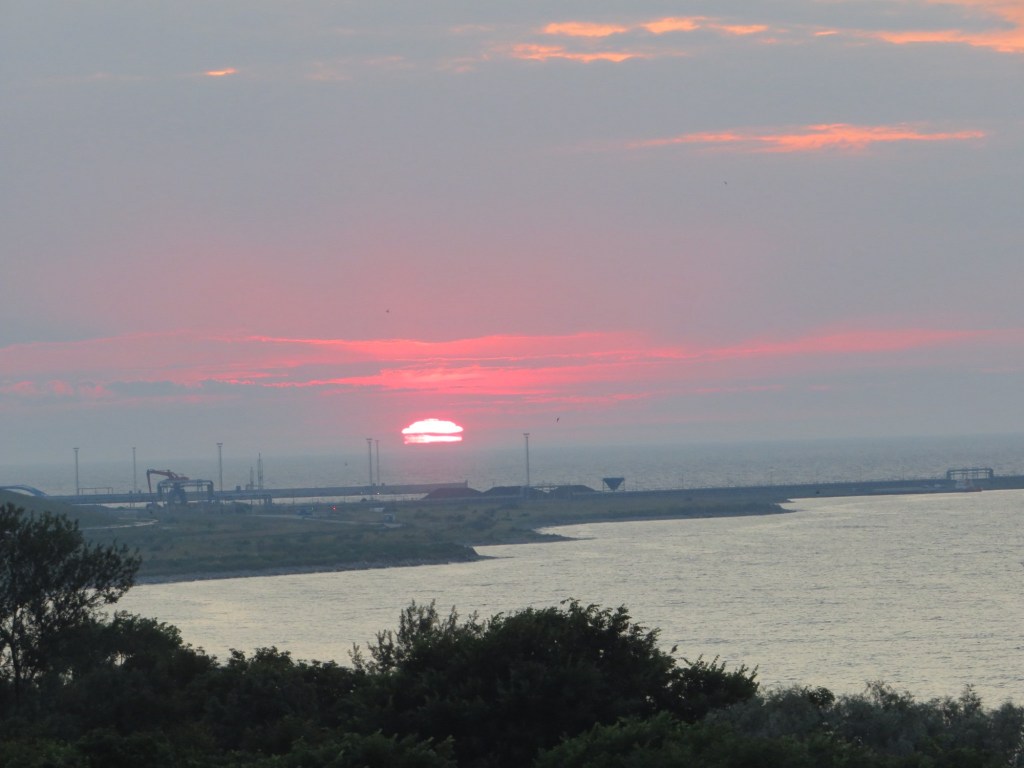
Going on a holiday is not the same as going travelling. A holiday is missing the uncertainty principle, that open-ended feeling of not knowing where the road might take you. When you go travelling, you might find yourself living by the Black Sea with lots of dogs and cats, for example. This holiday has parameters with a defined beginning and end. In between, we’re free to roam, and I intend to make the most of it.


Hi Jeanne, thanks for writing this. Estonia sounds amazing and the people resourceful. I love that they swing! And have such an amazing history. Liz xxx
Sent from my iPhone
LikeLiked by 1 person
Cheers Liz xx I was fascinated by their history.
LikeLike
Hello Jeannie, I got back from UK a few weeks ago and life has been a bit chaotic since then with our research show, Wombs on Strike, our choir Koresisters, publishing Middle Sea Dreaming, Series 3, and getting back into Maltese life. So I’ve only just got to read this blog. I found it fascinating and really appreciate that you keep this fine documentation of your travels. I have been following your challenging trip across Europe with the dogs and commend you on your noble journey to get to UK. I know Jack will be travelling with you as you seek new pathways for your adventurous spirit. Thinking of you on a sunny day in Malta. Love from Jo
>
LikeLiked by 1 person
Thank you Jo xx I’m in awe of all the things you do! It’s going to be a long grief journey before I can move forward.
LikeLike